
Build a grocery Store in Philadelphia or los Angeles (Planning Guide + Green Valley Case Reference)
Summary
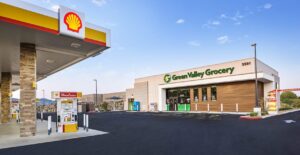
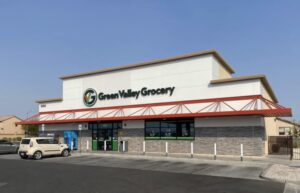
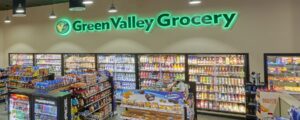
Green Valley Grocery represents multi-site retail delivery across various locations, typically ranging from 4,000 to 10,000 SF with schedules in the 20–30 week range. Multi-site retail succeeds when the build process is repeatable: standardized scopes, predictable sequencing, procurement visibility, and fast decision-making. TriStone operates retail tenant improvements with partner-led oversight, project controls, and transparent reporting through Constructable.ai—so owners can see schedule status, daily progress, photos, selections, and budget signals in one place.
Quick facts
- Project: Green Valley Grocery
- Location: Various
- Size: 4,000–10,000 SF
- Schedule: 20–30 weeks
- Delivery: General Contracting (primary), supported by Pre-Construction and Owner’s Representation as needed
- Contract types supported: GMP, Lump Sum/Stipulated Sum, Cost-Plus, Design-Build, CM-at-Risk
What makes grocery/retail rollouts different
Multi-site retail isn’t just “one project”—it’s a system:
- repeatable scopes and finish standards
- consistent trade sequencing
- procurement that doesn’t derail openings
- visibility across multiple sites without weekly fire drills
How TriStone operates on multi-site retail
- Preconstruction templates: budgets, schedules, and scopes built for repeatability
- Procurement and long-lead tracking: treated as schedule constraints from day one
- Inspection + turnover readiness: punch, closeout docs, and warranty handoff planned early
- Transparent reporting across stakeholders: centralized logs, photos, selections, and schedule updates in Constructable.ai
What owners typically ask (and what matters most)
- “What causes delays?” long-leads, late approvals, and scope gaps between trades
- “How do we keep sites consistent?” standardized scopes, QA checks, and repeatable closeout
- “How do we reduce noise?” centralized reporting so meetings focus on decisions, not updates
If you’re planning a retail rollout in Los Angeles or Philadelphia
The fastest way to de-risk timeline and budget is to validate scope and schedule early—before bids are rushed and gaps get baked in.