
Build a LIVV-Style Wellness Club in Los Angeles or Philadelphia (Planning Guide + 5,000 SF Case Reference)
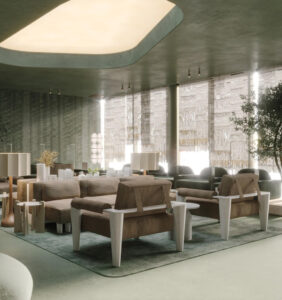
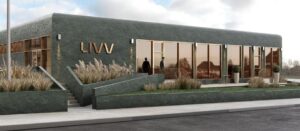
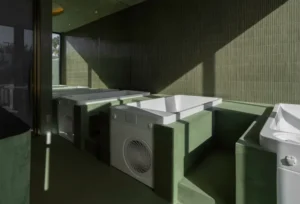
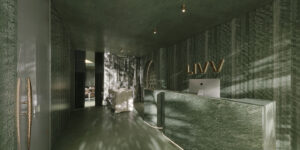
Note: This post is written from a construction planning perspective. TriStone Group is not affiliated with LIVV, and brand/franchise + landlord requirements vary by operator and location.
Summary
A LIVV-style build-out is rarely “simple retail.” It’s coordination-heavy: MEP, specialty equipment requirements, inspections, and permit workflows. Schedule certainty comes from scope clarity, realistic sequencing, and fast decision-making—not from rushed pricing.
If you’re searching for:
- Retail construction Los Angeles / Retail construction Philadelphia
- Multifamily construction Los Angeles / Multifamily construction Philadelphia
- Construction manager for retail / Construction manager for multifamily
- Pre-Construction Philadelphia / Owner’s Representation in Philadelphia
…this post shows how to plan the build so the field doesn’t stall.
Quick Facts (Reference Case)
- Project: LIVV (reference build-out)
- Reference location: San Diego, CA
- Size: 5,000 SF :contentReference[oaicite:1]{index=1}
- Schedule: 23 weeks (TriStone reference)
- Delivery: General Contracting (primary) + Pre-Construction / Owner’s Representation (as needed)
- Contract types commonly used on builds like this: GMP, Lump Sum, Cost-Plus, Design-Build, CM-at-Risk
The Two Questions That Protect the Date
1) What’s truly included (and what isn’t)?
Most schedule blowups start as scope gaps:
- landlord work vs tenant work
- equipment vs install scope
- who owns utility upgrades
- who provides final connection/commissioning
2) What decisions must happen by when?
If decisions aren’t assigned and dated, the schedule isn’t real.
Build a Decision Log with:
- owner (who decides)
- due date
- trade impact (what stalls if it’s late)
- approval pathway
What You’re Really Building (Why It’s Not a Typical Retail Build-Out)
Even if the lease is labeled “retail,” LIVV-style wellness concepts often behave like specialty retail + clinical-grade coordination:
- MEP-heavy rooms (power loads, ventilation, plumbing, controls)
- specialty equipment that drives design and lead times
- privacy/acoustics requirements
- higher finish level + lighting/millwork coordination
- inspection sequencing sensitivity (you don’t open until finals)
This matters whether your search intent is retail build-out Philadelphia, retail construction Los Angeles, or a general contractor for retail—because the failure modes are the same.
Philadelphia vs Los Angeles: Permitting & Workflow (High-Level)
Los Angeles (LADBS + ePlanLA)
For many LA projects, plan review/permitting flows through LADBS and online submission via ePlanLA. :contentReference[oaicite:2]{index=2}
Helpful starter video: “How to Submit an ePlan” (YouTube). :contentReference[oaicite:3]{index=3}
What this means for a LIVV-style build in Los Angeles
- schedule must include plan readiness + plan check cycles
- incomplete/unclear equipment requirements can trigger redesign and resubmittals
- inspections need a planned sequence (not “we’ll figure it out later”)
Philadelphia (L&I + eCLIPSE)
Philadelphia uses eCLIPSE as the online system to apply, manage, and coordinate items like permits/inspections and related services. :contentReference[oaicite:4]{index=4}
What this means for a LIVV-style build in Philadelphia
- align disciplines early (architectural + MEP + fire/life safety coordination)
- plan for corrections cycles
- treat inspections as milestones tied to turnover, not admin tasks
How to Plan a LIVV-Style Build-Out (The Operating System)
Step 1 — Preconstruction-first validation (fast)
This is where Pre-Construction Philadelphia and LA planning earns its keep:
- confirm scope completeness (what’s “in” vs “assumed”)
- validate schedule logic (sequence tied to inspections + turnover)
- identify constraints (long-leads, approvals, landlord rules)
- map equipment requirements early (utilities, clearances, ventilation)
Step 2 — Budget & schedule modeling (before you lock delivery)
You want:
- Budget & schedule modeling from concept through GMP
- Feasibility studies and early design reviews
- Value engineering & risk analysis to optimize scope
- Guidance through entitlements, permitting & feasibility
(These are the core moves that prevent “we found out too late.”)
Step 3 — Trade-by-trade sequencing (milestones that actually matter)
Build milestones around:
- demo complete
- rough-ins by discipline
- inspections (rough/final)
- finishes + specialty installs
- commissioning (if applicable)
- punch + turnover
Step 4 — Constraint tracking (long-leads + approvals)
What usually moves the timeline on builds like this:
- long-lead procurement (specialty equipment, MEP components)
- late selections/approvals + unclear decision ownership
- inspection sequencing and AHJ requirements
- existing conditions discovered after demo
Where the “Construction Manager” Role Matters (Retail + Multifamily)
If you’re searching construction management Philadelphia, construction manager for retail, or construction manager for multifamily, you’re usually trying to reduce risk through:
- bid leveling + scope alignment
- master budget/schedule reporting
- decision tracking
- coordination between stakeholders (owner, architect, landlord, vendors)
This is also where Owner’s Representation in Philadelphia can be valuable—especially when multiple parties are responsible for approvals and deliverables.
Best Fit
This approach is built for owners/operators who have:
- a target opening date (or turnover window)
- a premium guest experience to protect
- equipment-driven requirements
- a desire for visibility + decision speed
It applies whether you’re building:
- a LIVV-style location in Los Angeles
- a LIVV-style location in Philadelphia
- a related premium wellness build-out as part of retail construction Philadelphia or retail construction Los Angeles
- a larger mixed-use scope where multifamily construction Philadelphia or multifamily construction Los Angeles is part of the broader development
Next Step
If you’re exploring a LIVV-style build-out in LA or Philly, the fastest way to reduce surprises is a consultation focused on constraints (scope, long-leads, inspections, approvals)—not a rushed bid.
FAQ
Are you a general contractor in Philadelphia?
Yes—if you’re hiring a general contractor Philadelphia PA for a schedule-sensitive build-out, the key is choosing a team that validates scope, sequencing, and constraints early (preconstruction), then runs disciplined controls through closeout.
Are you a general contractor in Los Angeles?
For general contractor Los Angeles searches, the same rule applies—especially with LADBS plan review workflows and electronic plan submission through ePlanLA. :contentReference[oaicite:5]{index=5}
Do you handle retail construction Philadelphia / retail build-out Philadelphia?
Yes—retail build-outs are typically won by scope clarity, procurement planning, and inspection-driven sequencing. A LIVV-style build is often “retail” on paper but coordination-heavy in practice.
Do you handle retail construction Los Angeles?
Yes—LA retail build-outs require clean plan sets, early equipment requirements, and a schedule that accounts for plan check cycles and inspection sequencing. :contentReference[oaicite:6]{index=6}
Can you support multifamily construction Philadelphia or act as a multifamily general contractor Philadelphia?
Multifamily projects amplify the same risks—scope gaps, sequencing, approvals, and long-leads—just at scale. The same preconstruction-first approach (budget/schedule modeling, feasibility, VE) is how you protect timelines.
What about multifamily construction Los Angeles?
Multifamily in LA adds layers of coordination and permitting complexity. The right approach is the same: validate scope, track constraints, and structure milestones around inspections and turnover.
Do you provide construction management Philadelphia or owner’s representation in Philadelphia?
Yes—construction management and owner’s representation typically include scope alignment, bid support, budget/schedule reporting, and stakeholder coordination—useful when decisions and approvals are distributed.
Do you act as a construction manager for retail?
Yes—especially on multi-location or schedule-sensitive retail build-outs where decision tracking and procurement constraints must be managed weekly.
Do you act as a construction manager for multifamily?
Yes—construction management is often used to control cost/schedule reporting and de-risk procurement/inspection sequencing for owner/developer teams.
What contract structure is best for a LIVV-style build-out?
Common models include GMP, cost-plus, lump sum/stipulated sum, and CM-at-risk. The best fit depends on scope certainty and how you want risk allocated. A preconstruction-first validation process improves outcomes under any model.
How long does a ~5,000 SF LIVV-style build-out take?
A reference LIVV build-out is described as 5,000 SF, and TriStone’s reference schedule is 23 weeks (San Diego). :contentReference[oaicite:7]{index=7}
Actual duration in LA/Philadelphia depends on scope complexity, plan review cycles, procurement lead times, and inspection sequencing.