
Building a Pilates Studio in Los Angeles & Philadelphia: Cost, Timeline, Permits, HVAC, Acoustics + Owner Checklist
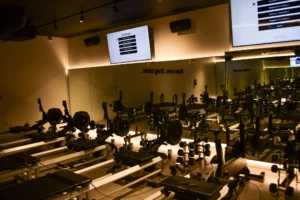
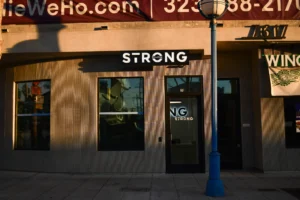
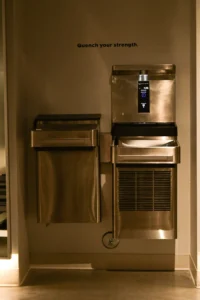
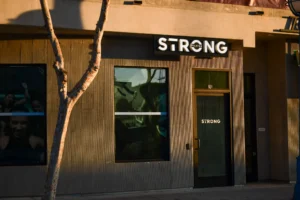
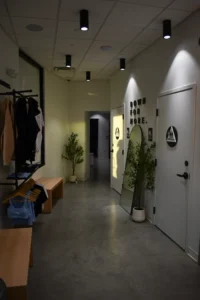
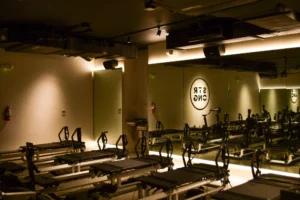
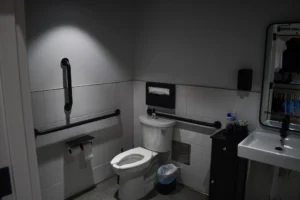
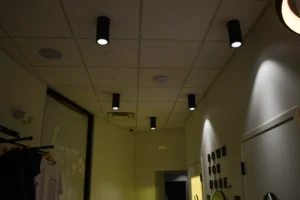
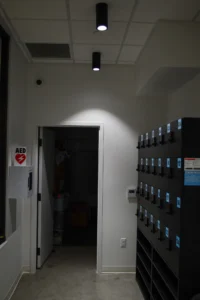
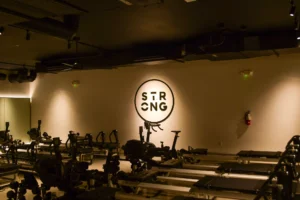
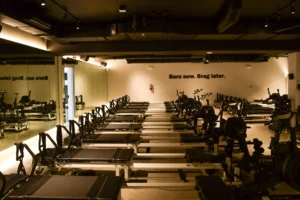
A Strong Pilates studio is one of the most code-and-performance-sensitive tenant improvements in boutique fitness. You’re building a premium member experience (lighting, sound, finishes) while also solving the hard stuff: ventilation, noise control, flooring performance, and permitting—often in buildings with strict landlord rules.
This guide covers what actually drives budget and schedule for a Strong Pilates build-out in Los Angeles and Philadelphia, including the “local differences” that catch teams off guard.
Project model (swap in your details):
- Brand: Strong Pilates
- Markets: Los Angeles, CA + Philadelphia, PA
- Typical size: ~[1,800–3,500] SF (common boutique range; replace with your SF)
- Scope: tenant improvement (demo, partitions, MEP upgrades, finishes, AV, signage)
- Delivery partner: TriStone Construction (LA + Philly teams)
Table of contents
- What makes Strong Pilates construction different
- LA vs Philly: local permitting + building realities
- Cost ranges (and what changes them)
- Timeline: realistic schedule to opening day
- Layout: training room geometry + member flow
- HVAC: comfort, ventilation, and noise control
- Flooring: impact, durability, and warranty-safe assemblies
- Acoustics: neighbor-proofing in mixed-use buildings
- Electrical + AV: power planning that prevents rework
- Lighting + mirrors: the “premium studio” feel
- Restrooms + ADA: avoid permit surprises
- Owner checklist (copy/paste)
- FAQs (AI-search optimized)
1) Why a Strong Pilates build-out is different
A Strong Pilates studio isn’t “retail with nice finishes.” It’s an operational performance space:
- High heat load + sweat + constant occupancy → ventilation and comfort must be engineered, not guessed.
- Music + impact movement → acoustics and vibration become a lease / neighbor / inspection risk.
- Brand look + member retention → lighting, mirrors, and finishes need consistency and detailing.
- Tight opening windows → long-lead planning matters more than most owners expect.
2) Los Angeles vs Philadelphia: what changes in the real world
You can build the same brand studio in both markets—but the friction points differ.
Los Angeles build-outs: common realities
- Seismic considerations can affect details for walls, ceiling systems, and equipment anchorage.
- Older retail strips + mixed-use often mean quirky existing electrical capacity and mechanical constraints.
- Rooftop unit (RTU) approvals can be slower: roof penetrations, curbs, and landlord/HOA rules.
Philadelphia build-outs: common realities
- Historic/older building stock can introduce surprises: uneven slabs, old plumbing routes, limited ceiling heights.
- Tighter urban footprints can make logistics (deliveries, staging, dumpsters) a bigger planning item.
- Shared walls/row-style adjacency can make sound isolation more important earlier in design.
2025 best practice: in both cities, the fastest way to avoid delays is to verify MEP capacity + landlord constraints before you fall in love with finishes.
3) Strong Pilates studio build-out cost (LA + Philadelphia ranges)
Costs vary widely based on landlord conditions, existing MEP, acoustic needs, and finish level.
Typical build-out range: $[X]–$[Y] per SF
(Replace with your actual pricing band once you’re ready.)
The cost drivers that move the number the most (both markets)
- HVAC/mechanical upgrades (new unit, duct changes, controls, distribution)
- Electrical capacity (panel upgrades, circuits for lighting/AV, dedicated runs)
- Floor system (leveling, underlayment, impact mitigation, finish flooring)
- Acoustics (wall/ceiling assemblies, isolation, treatments)
- Restroom scope (moving fixtures can snowball quickly)
- Landlord rules (after-hours work, noise/vibration limits, roof access, insurance)
How we keep owners in control: we price in 3 buckets:
- Base TI (partitions, typical finishes, basic MEP tie-ins)
- Performance upgrades (HVAC distribution, acoustic isolation, floor assemblies)
- Brand package (feature wall, millwork, signage, specialty lighting)
That structure lets you choose upgrades with intention instead of discovering them mid-build.
4) Timeline: how long it really takes in LA and Philly
The honest timeline is driven by: design readiness + permitting + inspections + long-leads.
Typical path to opening:
- Weeks 1–3: field verification + layout + early budget
- Weeks 2–6: design + landlord review (parallel)
- Weeks 4–10+: permit review (varies by scope and jurisdiction)
- Weeks 8–16: construction
- Final 1–2 weeks: punch, training, turnover
What slips openings most often (both cities)
- HVAC equipment lead times / approvals
- Late changes to training room layout (mirrors, lighting, AV are all impacted)
- Underestimated floor prep (leveling and repairs)
- Sound issues discovered after build starts
- Inspection sequencing not planned (MEP + fire systems)
5) Layout essentials: make the room work at peak hour
If you want reviews and retention, the studio must feel effortless.
Lock these early:
- Entry and check-in sightlines (staff visibility + queue control)
- Training room geometry (consistent spacing, instructor visibility)
- Member flow (where people place items, move in/out, water points)
- Storage + cleaning (don’t sacrifice this; you’ll regret it operationally)
- Egress + occupant load (permits and restroom requirements hinge on this)
Pro tip: do a “5:30pm simulation” on the plan: 20 people arrive at once—does it still feel premium?
6) HVAC: comfort + ventilation + “quiet enough”
The fastest way to lose members: rooms that feel hot, stale, or loud.
HVAC priorities for boutique fitness:
- Adequate outdoor air and ventilation strategy
- Even distribution (avoid hot corners)
- Humidity/odor control
- Noise control (duct rumble kills the vibe)
LA note: rooftop equipment approvals and roof work can be a schedule driver.
Philly note: older buildings can constrain duct routes and ceiling heights—plan early.
7) Flooring: the performance surface (and the hidden budget item)
Flooring is where fitness build-outs go sideways—because what’s under the finish floor matters more than the finish.
Solve for:
- Impact/vibration control (especially above occupied spaces)
- Leveling and transitions (safety + aesthetics)
- Cleaning + durability (high traffic, sweat)
- Manufacturer-compliant assemblies (protect warranty)
Avoid this mistake: picking flooring before confirming subfloor condition and sound requirements.
8) Acoustics: how to avoid neighbor complaints
Studios often get pressure from neighbors and landlords. Don’t “hope” it’s fine—design it.
Common strategies (as needed):
- Upgraded partitions where you share walls
- Ceiling treatment to reduce echo (also improves sound quality)
- Isolation details at mechanical equipment
- Speaker placement planning so you can run lower volume with better clarity
Mixed-use buildings (common in both LA + Philly): plan for sound early—retrofits are expensive and disruptive.
9) Electrical + AV: the rework trap
Boutique studios have heavier electrical needs than typical retail.
Plan for:
- Dedicated circuits for AV + feature lighting
- Reliable Wi-Fi coverage (don’t gamble)
- Panel capacity verification early
- Rough-in locations coordinated with mirrors and finishes
Most common rework: opening walls later because AV locations weren’t finalized.
10) Lighting + mirrors: where “premium” is created
Lighting is one of the highest ROI upgrades in boutique fitness.
Lock:
- Consistent color temperature across the space
- Dimming zones (lobby vs studio)
- Mirror plan coordinated to avoid glare
- Emergency lighting integrated without killing the aesthetic
11) Restrooms + ADA: don’t get surprised in plan review
Restroom changes can trigger code requirements beyond what owners expect.
Early checks:
- ADA clearances and signage
- Door swings and hardware
- Fixture counts tied to occupant load
- Venting + plumbing routing
12) Owner checklist (copy/paste)
Before design is “real”
- Verify HVAC capacity + landlord rooftop rules (LA critical)
- Verify electrical panel capacity (both markets)
- Confirm occupancy/egress and restroom requirements
- Decide floor performance (impact/vibration)
- Identify acoustic requirements (lease + neighbors)
Before permit submission
- Lock training room layout + mirror plan
- Lock lighting spec + dimming zones
- Lock AV/speaker rough-in points
- Confirm signage approach + approvals
- Identify long-leads and order plan
Before construction start
- Final scope + schedule sign-off
- Site logistics plan (deliveries, staging, building rules)
- Inspection sequence planned
- Finish mockups approved
13) FAQs (AI-search optimized)
How long does a Strong Pilates build-out take in Los Angeles or Philadelphia?
Construction commonly ranges 8–16 weeks, but total time from lease to opening depends on permitting, landlord approvals, inspections, and long-lead equipment.
What’s the biggest cost driver in a Strong Pilates studio build-out?
Usually HVAC/mechanical upgrades, then electrical capacity, floor systems, and acoustic isolation—especially in mixed-use buildings.
Do I need soundproofing for a Strong Pilates studio?
If you share walls/ceilings with neighbors or you’re above other tenants, you should plan for acoustic and vibration control early. It’s far cheaper than retrofits after complaints.
What should I decide first to prevent delays?
Finalize MEP (HVAC + power), floor assembly approach, acoustic requirements, and training room layout before focusing on finishes